

Editor’s Note: Decision Intelligence Briefs provide concise strategic analysis rooted in the legacy of structured decision science. Each monthly briefing maps emerging institutions, governance frameworks, strategic risks and opportunities shaping international scientific cooperation.
The introduction and strategic outlook are open to all readers. The full briefing and downloadable PDF edition are available to paid subscribers.
Decision Intelligence Briefs | No. 5
The Science Diplomat
October 2026
The future before it happens
How foresight and anticipatory governance prepare institutions for emerging risks.
No institution can predict the future. Yet governments, international organizations, businesses and research institutions make decisions every day that depend on assumptions about what the future may hold.
Technological, political, environmental and economic changes often begin before their consequences are clear. Institutions may have years to respond, or discover only later that important choices have already narrowed.
Foresight addresses that challenge by providing structured methods for exploring multiple possibilities, identifying emerging risks and opportunities, testing assumptions, and improving decisions before choices become urgent. Its value lies in what institutions do differently after considering what may lie ahead.
This Brief examines how strategic foresight is used by governments, international organizations, research institutes, and businesses. It explores the methods, institutions, and practices that help decision-makers look beyond immediate pressures, anticipate possible change, and make better decisions about futures they cannot reliably predict.
Strategic outlook
Several trends affect how institutions prepare for the future.
Foresight is becoming part of how institutions work.
Governments, international organizations, research institutes, and businesses are creating dedicated foresight programs and units. Their work informs long-term planning, policy, investment, and assessments of emerging risks.
Preparation matters more than prediction.
Forecasts remain useful, but their reliability declines when the conditions on which they depend begin to change. Foresight examines possible futures and asks how decisions made now might fare under each of them.
Institutions need to change course when the world changes.
A strategy built around one set of assumptions can fail when those assumptions change. Scenario exercises allow institutions to examine how policies, investments, and plans might hold up under different conditions and where they may need room to adjust.
Why this Brief matters
Many significant policy failures begin when institutions recognize change too late, underestimate its consequences, or fail to act on what they already know.
Artificial intelligence, pandemics, climate risks, geopolitical competition, demographic change, and technological disruption develop over time. Decisions made today can shape outcomes years or decades into the future. Institutions, however, operate under immediate political pressures, budget cycles, and operational demands that can make longer-term thinking difficult.
Strategic foresight gives decision-makers a way to examine an emerging issue before a response is needed. It can expose assumptions, explore different futures, and show how a choice made today might fare under changing conditions.
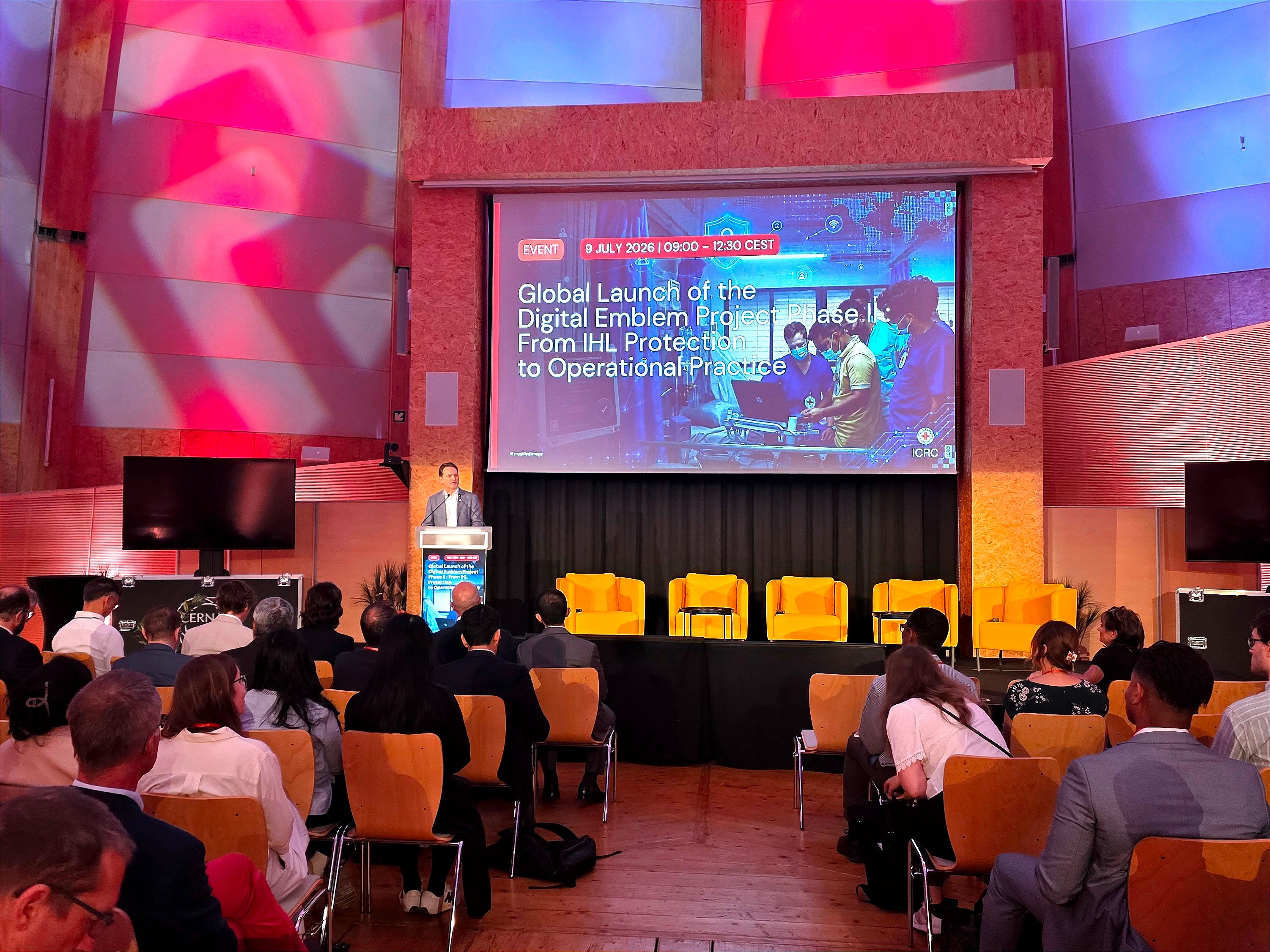
This Brief examines what happens when institutions try to put that thinking into practice, from the ICRC’s work on a digital humanitarian emblem and the Open Quantum Institute at CERN to emerging approaches to technology governance at the OSCE and United Nations.
🔓 Unlock the full Decision Intelligence Brief and download the print-ready PDF edition. Available with a paid subscription or team subscription.
