

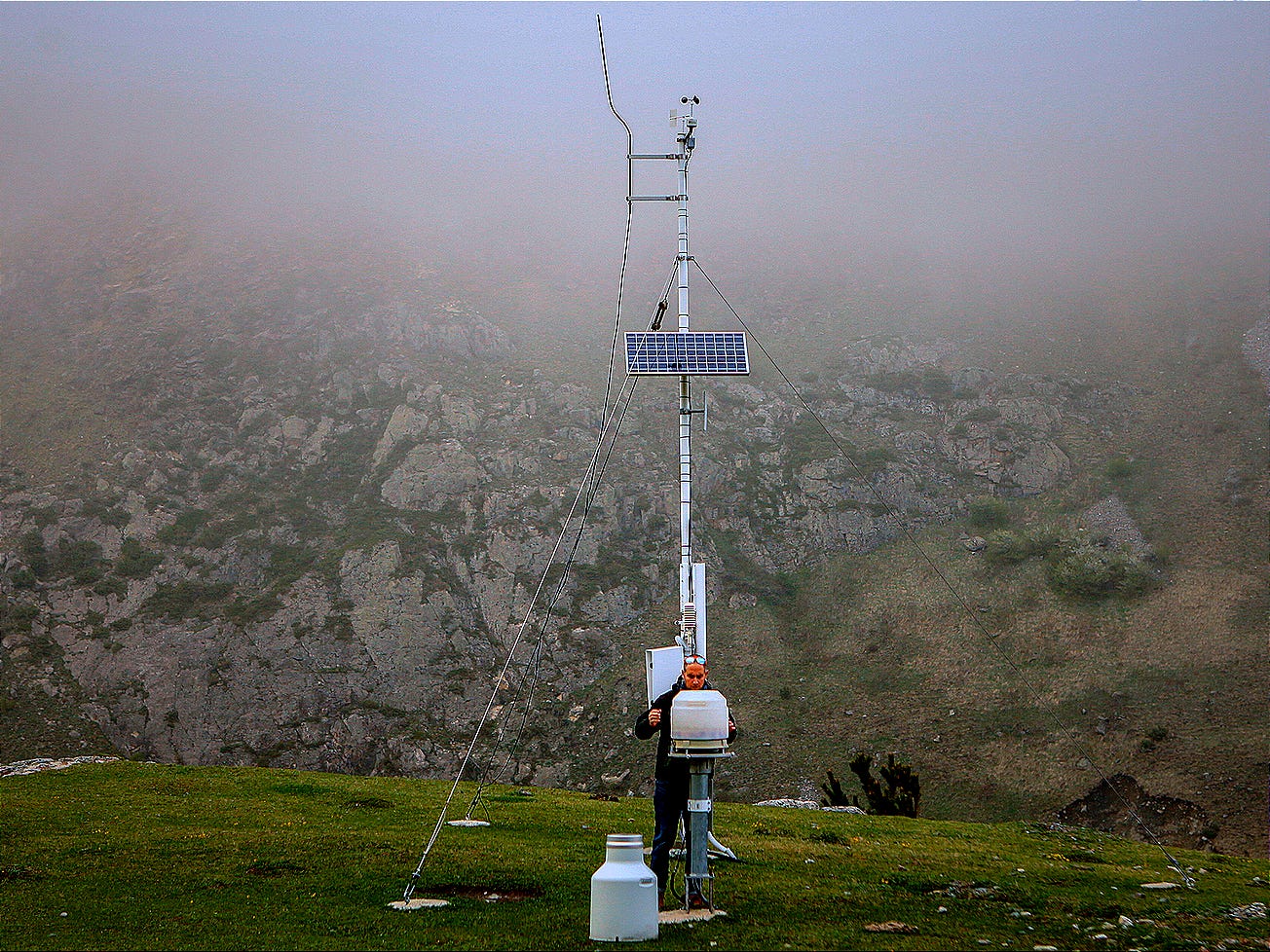
Editor’s Note: Decision Intelligence Briefs provide concise strategic analysis rooted in the legacy of structured decision science. Each monthly briefing maps emerging institutions, governance frameworks, strategic risks and opportunities shaping international scientific cooperation.
The introduction and strategic outlook are open to all readers. The full briefing and downloadable PDF edition are available to paid subscribers.
Decision Intelligence Briefs | No. 6
The Science Diplomat
November 2026
Seeing around corners
How institutions assess systemic threats and prepare for cascading crises.
A severe solar storm could disrupt satellites, power grids and financial networks. A collapsing glacier can trigger floods that cross national borders. Climate stress can compound food insecurity, disease and political instability. These threats differ in origin, but each can produce consequences extending far beyond the initial disturbance.
Governments, international organizations and businesses have systems for identifying and assessing risks. Yet conventional assessments may overlook dependencies among infrastructure, institutions and populations. A disruption considered manageable in one sector can become far more serious when failures spread into others.
Strategic risk assessment examines threats, vulnerabilities and potential consequences to inform decisions about prevention, preparedness and response. It draws on evidence, models, expert judgment and monitoring systems. Some risks can be estimated from historical experience. Others involve complex interactions or conditions for which reliable probabilities are unavailable.
This Brief examines how institutions identify strategic risks, assess their potential consequences and determine which threats require attention. It considers early warning systems, systemic vulnerabilities, cascading failures and the challenges of acting when information is incomplete or responsibility is divided.
Strategic outlook
Three developments are shaping how institutions assess and manage strategic risks.
Interconnected systems are changing the consequences of failure.
Digital infrastructure, electricity, communications, finance and essential public services are interdependent. Environmental, health and security risks also interact. Assessments confined to individual sectors may miss the pathways through which disruptions can become wider crises.
Early warning capabilities are expanding, but important gaps remain.
More countries have established multi-hazard early warning systems, and international organizations are developing more detailed assessments of environmental and health threats. Yet risk knowledge, financing and preparedness remain uneven. Detecting a hazard does not establish that authorities can protect everyone exposed to it.
Managing risk requires cooperation across institutional boundaries.
Many strategic threats extend beyond the responsibilities of a single ministry, regulator, infrastructure operator or country. Assessing them requires information from different fields, while responding may depend on authorities with competing priorities and limited resources.
Why this Brief matters
A threat rarely affects only the system in which it originates. Disruptions to electricity, communications, transport or public health can spread through dependent services, multiplying their consequences and complicating institutional responses.
Strategic risk assessment helps decision-makers identify these connections before a crisis occurs. It can reveal where essential services are vulnerable, which disruptions could have the greatest consequences and where preventive investment may reduce exposure.
Its value depends on whether the findings influence planning, resource allocation and preparedness.
🔓 Unlock the full Decision Intelligence Brief and download the print-ready PDF edition. Available with a paid subscription or team subscription.
