

Issue No. 1 | Monday, April 20, 2026
Good morning,
Welcome to the first edition of The Science Diplomat Playbook, your Monday morning guide to what’s shaping the week ahead in global science diplomacy.
The lead
Africa–Europe science diplomacy is moving into a new phase but coordination remains a challenge.
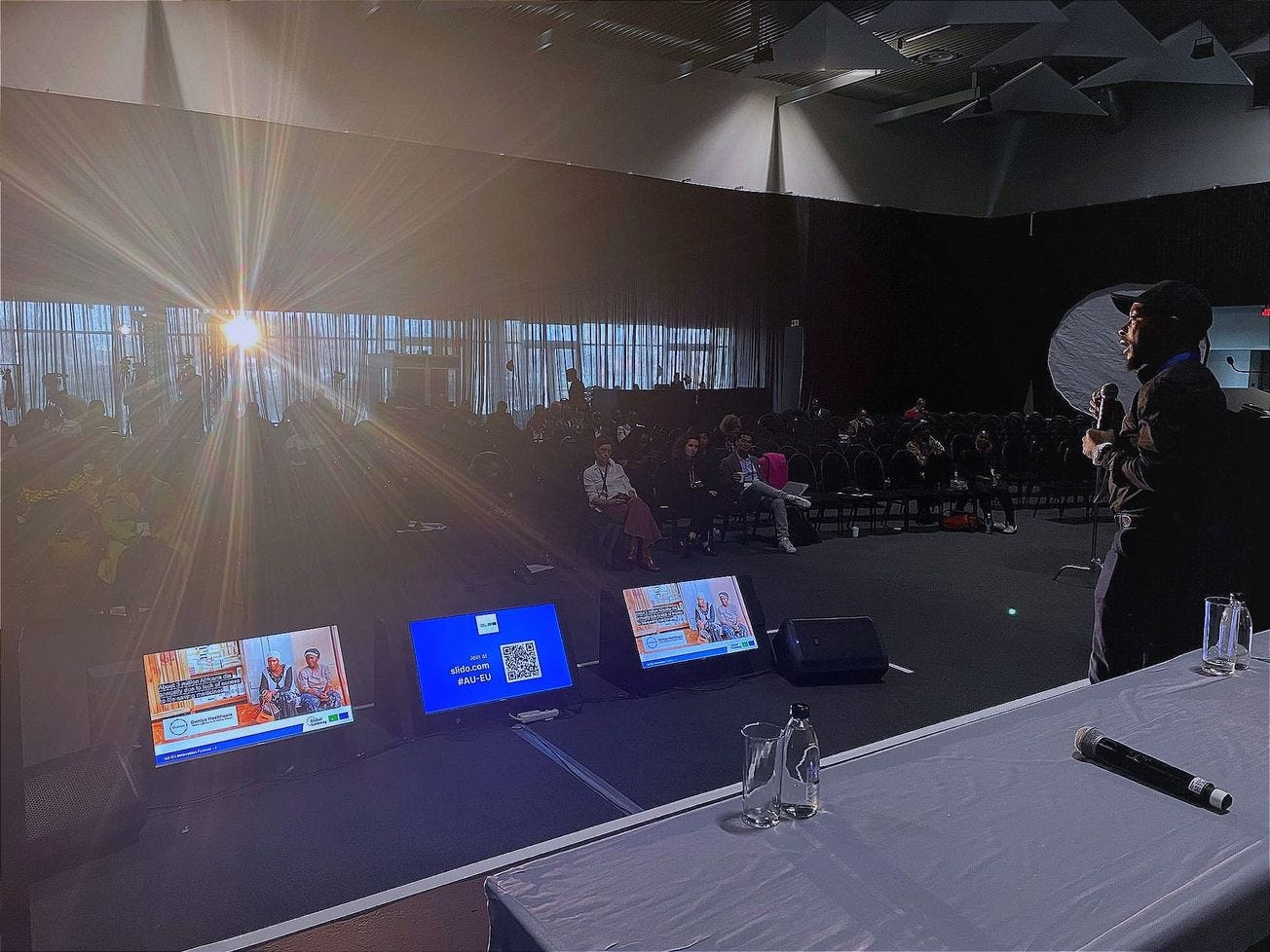
The Africa–Europe Science Collaboration Platform (AERAP) opens its annual forum in Brussels today as cooperation on research and innovation shifts from planning to delivery. With the A.U.–E.U. Innovation Agenda approaching its third year and a growing focus on areas such as artificial intelligence, research infrastructures and climate collaboration, attention is turning to how shared priorities translate into concrete programs and results.
The central issue is not ambition but alignment. A growing number of initiatives are moving forward, but coordination across institutions, funding and national priorities remains uneven. The coming months, beginning with AERAP and continuing with A.U.–E.U. meetings later this year, will show whether the partnership moves toward a more coherent system.
Inside institutions
United Nations — Global AI panel begins work
The U.N.’s Independent International Scientific Panel on AI meets in person for the first time this week, launching a multi-year effort to assess the impact of artificial intelligence and inform global policy discussions. → Read more
European Commission — Science diplomacy framework advances
A new proposal to establish an E.U. framework for science diplomacy is moving forward, as officials move to link research cooperation more closely with economic security and global positioning. → Read more
United Nations — Secretary-general selection process draws attention
Public dialogues with candidates for the next U.N. Secretary-General begin this week, highlighting ongoing tensions between the Security Council and General Assembly over transparency and leadership. → Read more
Signals
Science diplomacy is moving from planning to delivery
Across regions, governments are placing greater emphasis on turning cooperation into concrete programs and results.
AI governance is taking shape at the global level
New international efforts, including a U.N. scientific panel on artificial intelligence, reflect growing attention to how countries can work together on managing fast-moving technologies.
On the calendar
April 20–22 — Africa–Europe Science Collaboration Forum (Brussels)
AERAP brings together policymakers, scientists and institutions to advance A.U.–E.U. cooperation on research and innovation.
Program → https://aerapscience.org/events/africa-europe-forum-2026
April 21–22 — U.N. secretary-general candidate dialogues (New York)
Public sessions with candidates will be held at the General Assembly.
Michelle Bachelet → April 21 at 4 pm EDT (U.N. Web TV)
Rafael Mariano Grossi → April 21 at 9 pm EDT
Rebeca Grynspan → April 22 at 4 pm EDT
Macky Sall → April 22 at 9 pm EDT
April 22–24 — U.N. AI scientific panel first in-person meeting
The U.N.’s global scientific body on AI begins work toward its first assessment.
Background and timeline → Independent International Scientific Panel on AI
Closing
You’re reading The Science Diplomat Playbook, a weekly briefing mapping global science diplomacy.