

Issue No. 15 | Monday, July 27, 2026
Good morning,
Welcome to The Science Diplomat Playbook, your Monday morning guide to what’s shaping the week ahead in global science diplomacy.
The lead
This week governments gather in Nairobi for the first global review of implementation of the Kunming-Montreal Global Biodiversity Framework, the landmark agreement adopted in 2022 to halt and reverse biodiversity loss by 2030. The review comes with a sobering assessment: while the framework has generated unprecedented international engagement, implementation is not advancing quickly enough to meet its 2030 goals.
The Nairobi meeting also reflects a broader shift across international science diplomacy, as institutions move from negotiating global frameworks to measuring implementation and deciding how to respond when progress falls short.
Beyond biodiversity, scientific governance faces new stress tests from oceans to space. The institutions that govern science and technology confront a widening range of strategic questions that no longer fit neatly within traditional diplomatic boundaries.
This week also brings meetings on deep-sea mining, nuclear verification, artificial intelligence, climate resilience, telecommunications standards and international space research. It also opens amid signs that the U.S.-Iran conflict may be shifting back toward diplomacy, putting renewed attention on the international institutions responsible for verification, maritime security and nuclear governance.
That challenge has become a defining feature of science diplomacy. Scientific cooperation depends not only on producing new knowledge but also on trusted institutions capable of managing competition, uncertainty and rapidly advancing technologies.
The International Seabed Authority moves from Council negotiations into its annual Assembly as governments continue debating the future of commercial mining in areas beyond national jurisdiction. Meanwhile, international space researchers prepare to gather in Florence for COSPAR’s Scientific Assembly, where scientists and space agencies will discuss planetary science, Earth observation, solar physics and exploration as scientific cooperation becomes increasingly entangled with geopolitical rivalry.
Elsewhere, climate adaptation, artificial intelligence, telecommunications standards and nuclear governance continue evolving through specialized institutions that often shape global policy before governments negotiate formal treaties.
Major processes to watch
Convention on Biological Diversity — Nairobi begins first global review
Parties begin reviewing the first global assessment of implementation of the Kunming-Montreal Global Biodiversity Framework.
The draft report concludes that although the agreement has generated unprecedented international engagement, current implementation remains insufficient to achieve its 2030 mission without substantially faster action. The recommendations negotiated in Nairobi will help shape decisions at COP17 in Armenia this October.
International Seabed Authority — Assembly opens as Mining Code negotiations continue
The ISA enters the final phase of its 31st annual session in Kingston, Jamaica.
Following two weeks of Council negotiations on the Mining Code, attention shifts to the Assembly, where member states consider broader questions of governance while negotiations continue over the future regulatory framework for commercial deep-sea mining.
The negotiations remain a major test of how the international system governs resources beyond national jurisdiction.
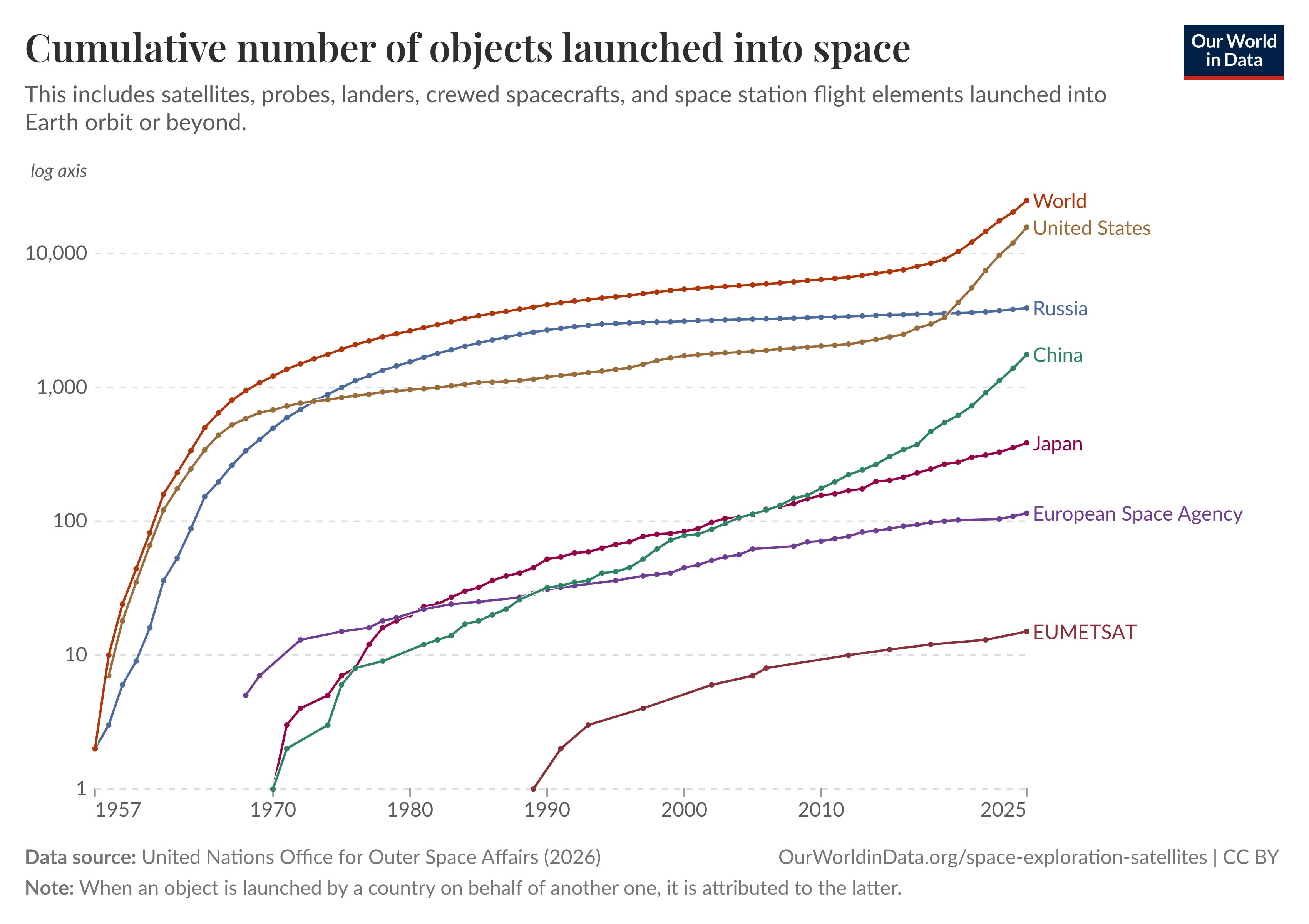
Florence — COSPAR opens one of the world's largest international space science meetings
Scientists, space agencies and international organizations convene in Florence for the 46th Scientific Assembly of the Committee on Space Research (COSPAR).
The meeting spans nearly every major area of contemporary space science — from planetary exploration and Earth observation to heliophysics, astrophysics and space sustainability — while providing one of the principal global forums linking scientific collaboration with international space governance.
Inside institutions
IAEA — Nuclear cooperation enters a verification phase
The International Atomic Energy Agency says it is awaiting a formal request from Washington and Riyadh to undertake verification work connected to the U.S.–Saudi civilian nuclear cooperation agreement.
The agreement has reopened debate over safeguards, uranium enrichment and the future of international nonproliferation standards.
UNEP — Cities confront extreme heat
Officials from Singapore, Lagos, Barcelona and Antalya join UNEP’s City Diplomacy Lab to examine how cities are sharing approaches to heat resilience, sustainable cooling and urban planning as extreme heat becomes a growing diplomatic and public health challenge.
WHO Climate & Health Alliance — Heat and mental health
Experts launch policy recommendations on integrating mental health into heat action plans, bringing psychological health more directly into climate adaptation planning.
ITU — Environmental efficiency of digital infrastructure
Experts within ITU Study Group 5 examine environmental efficiency standards for telecommunications and ICT infrastructure, reflecting wider attention to the energy demands of AI systems, networks and data centers.
Security Council watch — A week of diplomacy and succession
The Security Council’s formal agenda this week includes a briefing on Ukraine, its quarterly debate on the Middle East, a vote on renewing sanctions against the Central African Republic and consultations on preventive diplomacy in Central Asia. Members are also expected to continue monitoring developments related to Iran, Lebanon and freedom of navigation through the Strait of Hormuz.
Behind the scenes, attention will also focus on the first confidential straw poll in the race to succeed Secretary-General António Guterres. The informal ballots, expected Thursday, will provide the first indication of support for the six declared candidates before additional rounds of voting later this year.
Looking ahead — Denmark prepares to assume the presidency
On Aug. 1, Denmark assumes the rotating presidency of the Security Council, with priorities that include conflict prevention, climate and security, women, peace and security, international law and Council effectiveness.
Across regions
Vienna — IAEA technical meetings continue
The IAEA hosts multiple technical meetings covering artificial intelligence in nuclear fuel manufacturing, radioactive waste retrieval, nuclear security and nuclear energy management, illustrating the multidisciplinary nature of nuclear governance.
Global
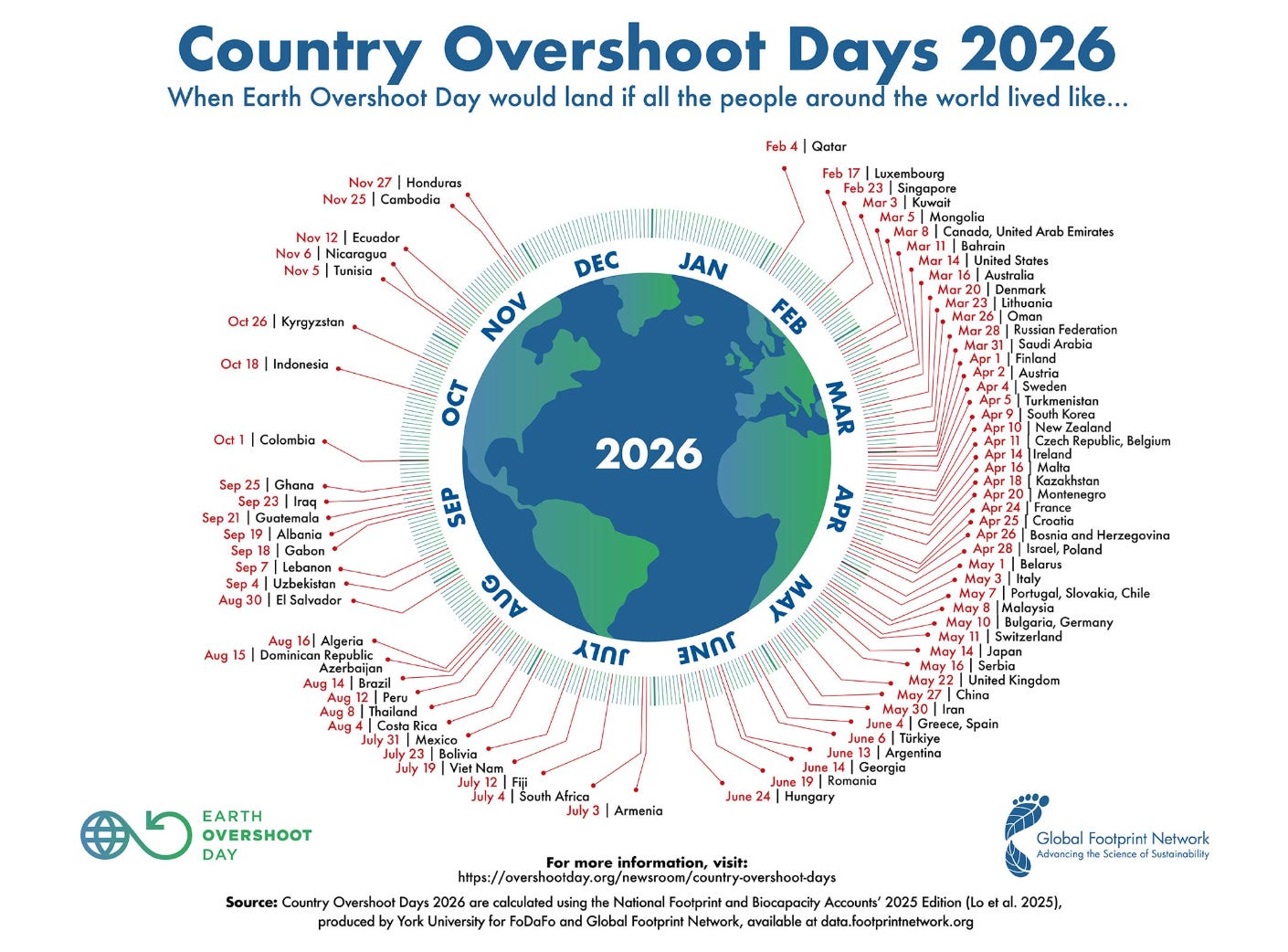
Earth Overshoot Day falls on Thursday, marking the point at which humanity’s annual demand for ecological resources exceeds what Earth can regenerate during the year. The Global Footprint Network emphasizes that this year’s later date reflects updated calculations rather than reduced environmental pressure.
Signals
Specialized institutions are carrying more of the practical burden of technology governance.
Civil, commercial and strategic interests are becoming harder to separate in international space cooperation.
Climate adaptation is expanding beyond environmental policy into urban governance and public health.
AI governance continues spreading through specialized technical organizations rather than a single global framework.
Verification and regulatory institutions remain central to international confidence in nuclear cooperation.
On the calendar
July 27–31 — International Seabed Authority Assembly (Kingston, Jamaica)
Member states begin the Assembly portion of the Authority’s annual session while negotiations continue over the Mining Code governing deep-sea mineral resources. → Overview
July 27–Aug. 12 — Convention on Biological Diversity (Nairobi)
Parties to the Convention on Biological Diversity begin two weeks of deliberations to consider key findings of the first global assessment of progress against the 23 targets of the Kunming-Montreal Global Biodiversity Framework. → Agenda
July 29 — UNEP: Beating the Heat Together (Online)
Cities discuss diplomacy, urban resilience and adaptation to extreme heat. → Overview
July 29 — Policy Brief: Protecting Mental Health from Extreme Heat (Online)
Global health experts launch recommendations on integrating mental health into heat action planning. → Agenda
July 29 — ITU Study Group 5 Rapporteur Meeting (Online)
Experts review work on environmental efficiency standards for telecommunications and ICTs. → Background
July 30 — Earth Overshoot Day
Researchers mark the point at which humanity’s ecological demand exceeds Earth’s annual regenerative capacity. → Overview
Aug. 1–9 — COSPAR Scientific Assembly (Florence)
Thousands of scientists gather for one of the world’s largest international meetings on space research. → Program
Closing
You’re reading The Science Diplomat Playbook, a weekly briefing mapping the institutions, technologies and governance systems shaping international cooperation.