


Issue No. 16 | Monday, August 3, 2026
Good morning,
Welcome to The Science Diplomat Playbook, your Monday morning guide to what’s shaping the week ahead in global science diplomacy.
The lead
Europe's AI Act enters a new phase as biodiversity, diplomacy and space shape the week ahead.
Key provisions of the European Union's AI Act took effect on Saturday, ushering in a new phase of enforcement. The law will continue to be implemented in stages over the coming months and years, but the European Commission's AI Office and national authorities now assume new responsibilities for overseeing general-purpose AI models and implementing new transparency requirements.
Providers of certain AI systems must now meet new obligations, including requirements affecting chatbots and AI-generated content. The Commission also begins enforcing rules covering providers of general-purpose AI models, supported by a new scientific panel and a suite of complaint and whistleblower mechanisms intended to strengthen oversight.
The milestone marks the point at which Europe's AI framework begins to be tested in practice, not simply on paper. Although the law applies within the European Union, its influence is expected to extend well beyond Europe as companies adapt products and compliance systems for one of the world’s largest digital markets.
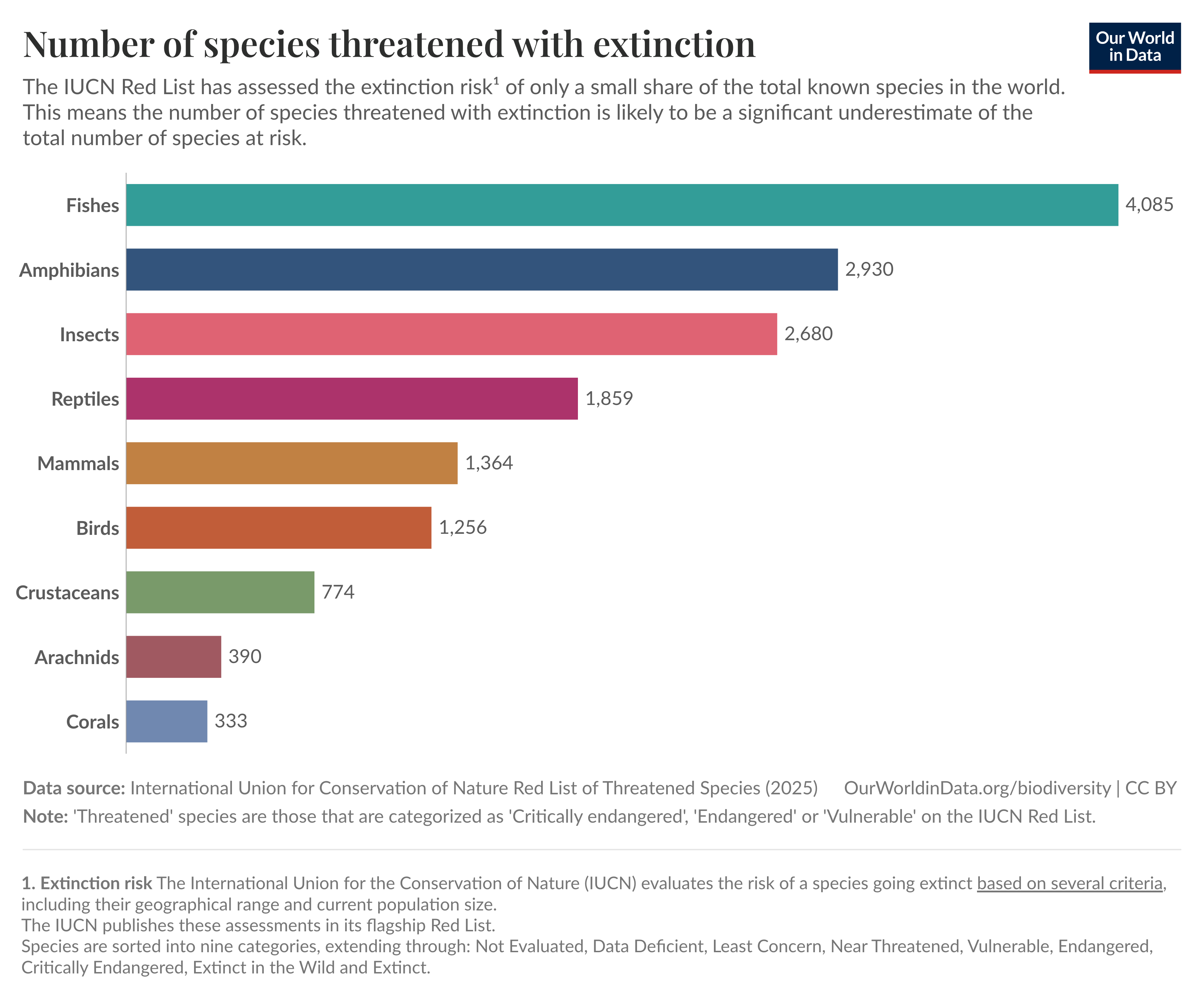
Elsewhere this week, governments are reviewing progress under the Kunming-Montreal Global Biodiversity Framework in Nairobi. Delegates are examining the first global assessment of implementation since the framework was adopted in 2022, a draft report that concludes current efforts remain insufficient to achieve its 2030 goals despite unprecedented international engagement.
In Hanoi, Vietnam convenes a national conference highlighting science, technology, innovation and digital transformation as central elements of its diplomatic and development strategy, illustrating how governments are treating science and technology as instruments of statecraft rather than simply research policy.
Meanwhile, thousands of scientists are meeting in Florence for the Committee on Space Research’s Scientific Assembly, one of the world’s largest international meetings on space science.
Major processes to watch
European Union — AI Act enforcement begins
The European Commission begins enforcing key provisions of the Artificial Intelligence Act, including transparency obligations for certain AI systems and oversight responsibilities for providers of general-purpose AI models. The AI Office assumes a central enforcement role alongside national competent authorities.
Vietnam — Science diplomacy moves higher on the national agenda
Vietnam convenes a national conference examining science, technology, innovation and digital transformation as pillars of national development and international engagement.
The meeting reflects a broader trend among emerging economies to integrate science and technology more directly into foreign policy and economic strategy.
Florence — COSPAR opens one of the world’s largest space science meetings
Scientists, space agencies and international organizations gather in Florence for the 46th Scientific Assembly of the Committee on Space Research (COSPAR).
The meeting spans planetary science, Earth observation, heliophysics, astrophysics, space sustainability and exploration, providing one of the world’s principal forums linking international scientific collaboration with space policy.
Convention on Biological Diversity — Nairobi shifts to implementation
Negotiators shift from last week's scientific discussions to implementation, financing and institutional questions as the Subsidiary Body on Implementation begins its work.
Central to this week's meetings is the first global assessment of progress under the Kunming-Montreal Global Biodiversity Framework. The draft review concludes that while countries have generated unprecedented engagement since 2022, implementation remains insufficient to achieve the framework’s 2030 mission without substantially faster progress.
Inside institutions
African Union — Peace and Security Council sets August agenda
Algeria assumes the rotating chairship of the African Union Peace and Security Council this month with a program emphasizing conflict prevention, early warning, governance and coordination with the U.N. Security Council. The Council is expected to address education in conflict, the Sahel, Sudan, South Sudan and continental risk assessment while preparing for an Extraordinary AU Summit on strengthening conflict prevention later this month.
European Commission — AI Office begins enforcement
The Commission’s AI Office starts supervising providers of general-purpose AI models while coordinating with national authorities responsible for enforcing many provisions of the AI Act.
Convention on Biological Diversity — Review continues
Negotiators continue examining financing, implementation, biodiversity mainstreaming and other recommendations that will shape negotiations at COP17 in Armenia later this year.
Security Council watch — New presidency, secretary-general race continues
Denmark begins its presidency of the Security Council by presenting the August program of work on Monday. The Council’s public agenda this week includes briefings on the threat posed by Islamic State, Sudan and South Sudan, alongside continued monitoring of developments related to Iran and the Strait of Hormuz.
At the same time, the race to succeed Secretary-General António Guterres enters a new phase. Following last week’s first confidential straw poll, diplomats are expected to continue assessing support for the seven candidates ahead of further informal ballots in the coming weeks. Costa Rica’s Rebeca Grynspan emerged as the early frontrunner in the initial voting, according to diplomats familiar with the confidential results.
Signals
AI governance is entering a regulatory phase in which institutions will be judged by enforcement as much as legislation.
Global environmental agreements are entering a period in which evidence of progress is becoming as politically important as new commitments.
Science, technology and innovation are becoming more visible instruments of national diplomatic strategy.
On the calendar
Aug. 2 — European Union AI Act enforcement begins
August 1–7 — Vietnam’s 33rd Diplomatic Conference and 22nd National Conference on Foreign Affairs (Hanoi)
National conference on science, technology, innovation and digital transformation. → Overview
Aug. 1–9 — COSPAR Scientific Assembly (Florence)
Thousands of scientists gather for one of the world’s largest international meetings on space research. → Program
July 27–Aug. 12 — Convention on Biological Diversity (Nairobi)
Parties to the Convention on Biological Diversity continue two weeks of deliberations to consider key findings of the first global assessment of progress against the 23 targets of the Kunming-Montreal Global Biodiversity Framework. → Agenda
Closing
You’re reading The Science Diplomat Playbook, a weekly briefing mapping the institutions, technologies and governance systems shaping international cooperation.