The Science Diplomat Playbook
As major multilateral negotiations stall, universities and research networks are moving more visibly into the space between science and geopolitics.

Issue No. 6 | Monday, May 25, 2026
Good morning,
Welcome to The Science Diplomat Playbook, your Monday morning guide to what’s shaping the week ahead in global science diplomacy.
The lead
As major multilateral negotiations stall, universities and research networks are moving more visibly into the space between science and geopolitics.
This week’s science diplomacy agenda shifts toward Brussels, where the EUTOPIA European University Alliance will convene academics, diplomats and policymakers Friday for a conference titled “Science Diplomacy in Turbulent Times,” focused on research security, multilateral cooperation and the growing political role of universities. The meeting is expected to conclude with the signing of the Brussels Statement on the Role of Universities in Science Diplomacy.
The gathering comes days after two major international negotiations ended without resolving some of the central disputes confronting global governance.
The Nuclear Nonproliferation Treaty review conference concluded late Friday without a consensus final document for the third consecutive review cycle amid disputes over disarmament, Iran and strategic stability.
In a statement issued after the NPT conference ended, U.N. Secretary-General António Guterres expressed disappointment that governments had failed “to seize this critical opportunity to make our world safer.”
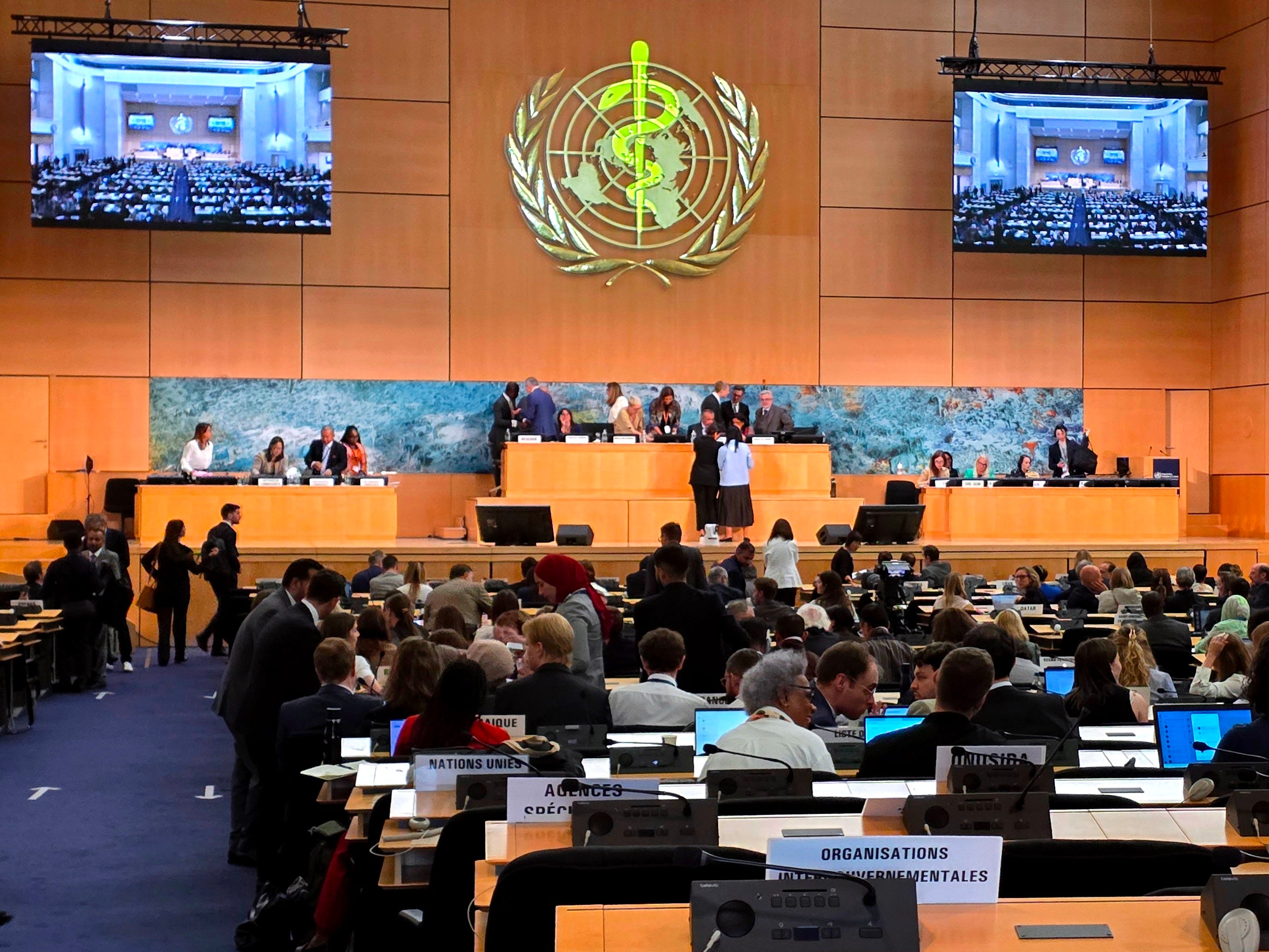
WHO member nations concluded the World Health Assembly on Saturday afternoon after approving measures on antimicrobial resistance, health financing and emergency preparedness, while delegates continued debating the future of pandemic cooperation and WHO funding.
Together, the meetings reinforced how difficult consensus-building has become inside institutions designed to manage nuclear governance, global health and scientific cooperation during periods of political tension.
Against that backdrop, universities and research alliances are increasingly positioning themselves not only as participants in international scientific exchange, but as institutions involved more directly in questions of security, technology policy and international coordination.
Questions surrounding infrastructure security and international coordination are also expected to shape discussions this week at the United Nations Security Council, where governments will debate maritime security in the Strait of Hormuz, the future of the U.N.-centered international system and continuing instability linked to Iran and regional shipping routes.
Inside institutions
World Health Organization — Post-WHA implementation begins under financial strain
WHO member nations begin implementing decisions adopted during the World Health Assembly on antimicrobial resistance, health financing and emergency preparedness as the organization continues restructuring operations following major budget shortfalls and staff reductions.
International Atomic Energy Agency / NPT regime — Nuclear diplomacy faces another deadlock
Diplomatic fallout continues after the deadlocked Nuclear Nonproliferation Treaty review conference, where governments again failed to agree on a final document amid disputes surrounding Iran, disarmament and strategic stability.
European research governance — Open science debates move into funding and sovereignty questions
Meetings connected to the European Open Science Cloud this week are expected to focus on governance structures, long-term funding models and the future of European digital research infrastructure after 2027.
Security Council watch
The United Nations Security Council, meeting under China’s month-long presidency, is focusing this week on institutional legitimacy, multilateral coordination and broader questions surrounding international order.
China’s signature event for the month is Tuesday’s high-level debate on strengthening the U.N.-centered international system, chaired by Foreign Minister Wang Yi. The debate is titled “Upholding the Purposes and Principles of the U.N. Charter and Strengthening the U.N.-centered International System,” with Guterres expected to brief.
Council members are also continuing to monitor developments linked to Iran, maritime security in the Strait of Hormuz and the broader regional consequences of instability affecting Gulf shipping routes and nuclear diplomacy.
Additional discussions this week include South Sudan sanctions, North Korea sanctions enforcement, peacekeeper security and continued monitoring of Russian attacks on Ukrainian civilian and critical infrastructure.
Across regions
Belgium / EUTOPIA Alliance — Universities position themselves within diplomacy
The EUTOPIA European University Alliance convenes “Science Diplomacy in Turbulent Times” on Friday at Fondation Universitaire in Brussels, bringing together academics, diplomats and policymakers to examine research security, multilateralism and the role of universities in international governance.
Africa-Europe innovation agenda — IST-Africa conference convenes policymakers and researchers
The IST-Africa 2026 Conference begins this week with government officials, researchers and industry representatives discussing digital inclusion, research cooperation and innovation policy linked to the African Union-European Union Innovation Agenda and Horizon Europe Africa Initiative.
International Science Council — Scientific advice and foresight initiatives continue
The International Science Council’s regional foresight sessions for Latin America and the Caribbean continue this week with discussions focused on scientific advice, institutional trust and long-term policy planning.
Signals
Universities are becoming more visible diplomatic actors
Research alliances and academic networks are taking on a more explicit international role as governments look to universities to support coordination, technical cooperation and policy development.
Research governance is moving closer to national strategy
Debates surrounding open science, artificial intelligence, quantum technologies and research security are becoming more closely connected to questions of economic resilience, infrastructure protection and national policy.
Multilateral institutions continue operating despite weakening consensus
From WHO and the NPT regime to Security Council diplomacy, international institutions are continuing to function even as political divisions make agreement increasingly difficult.
On the calendar
May 25–29 — IST-Africa 2026 Conference (Virtual)
Ministerial discussions and research sessions focused on AU-EU innovation cooperation, digital inclusion and technology policy. → Program
May 26 — U.N. Security Council debate on multilateralism (New York)
China chairs a high-level debate on strengthening the U.N.-centered international system. → Webcast
May 28–29 — EOSC-A 13th General Assembly (Brussels)
Meetings focused on governance and future funding models for European open science infrastructure. → Program
May 29 — “Science Diplomacy in Turbulent Times” (Brussels)
EUTOPIA conference examining research security, multilateralism and the role of universities in diplomacy. → Program
May 29 — Signing of the Brussels Statement on the Role of Universities in Science Diplomacy (Brussels)
European university leaders and policymakers are expected to endorse a joint statement on academic cooperation and diplomacy. → Background
Closing
You’re reading The Science Diplomat Playbook, a weekly briefing mapping global science diplomacy.

